




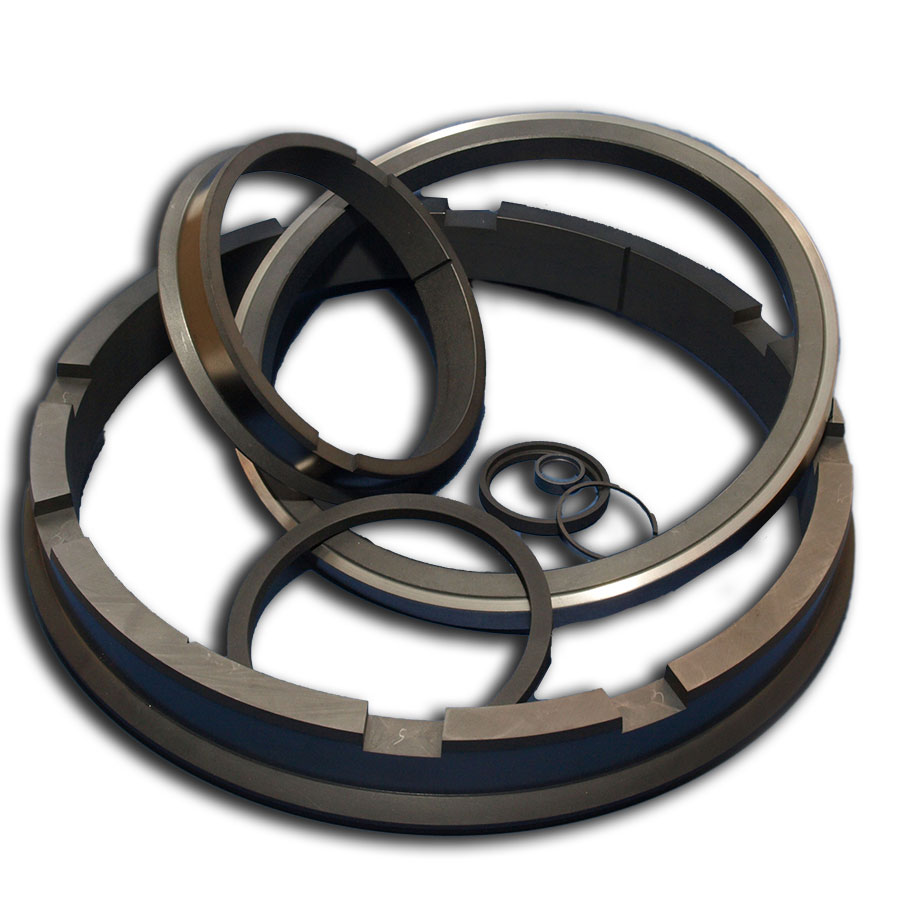
Mechanical Seals Designed to Control Leakage and Extend Seal Life
Rotating equipment depends on mechanical seals that control leakage and manage heat under demanding conditions. Consistent performance across pressure, speed, temperature, and environments is essential to extending service life and minimizing maintenance.
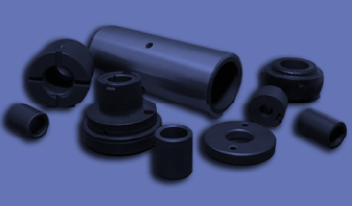
As St. Marys Carbon is one of the few companies to make each and every product from the initial mixing of the carbon grades to the time it is shipped to our customers, each of our seals can be custom-manufactured to your specific requirements. We will individually work with you to find the right grade and design for your seals to optimize sealing performance and extend your equipment’s uptime.
ENVIRONMENT, OPERATING CONDITIONS & APPLICATIONS

DRY-RUNNING / OIL-LESS
Enable dry-running, oil-less operation to reduce failure rates and support sanitary sealing applications.

HIGH TEMPERATURE STABILITY
Maintain strength and sealing performance at elevated temperatures without premature failure.

HIGH THERMAL CONDUCTIVITY
Dissipate heat efficiently to reduce seal face temperatures and prevent overheating.

KEY END PRODUCTS
Our seals are used in a large variety of industries for an even broader range of applications. Remember that we custom design our products to fit your needs, so please contact us if you have a need outside of those below and we’ll work with you to find a solution.
- Chemical Pumps
- Fluid-Handling Pumps
- Food-Handling Pumps
- Fuel Pumps
- Medical Pumps
- Oil & Gas Pumps
- Refrigeration Pumps
- Vacuum Pumps
HOW CAN WE HELP YOU ?
CARBON GRAPHITE SEALS & RINGS DETAILS
Working Temperature
- Minimum
- Runs in cryogenic temperatures (no true minimum value)
- Maximum
- Carbon/Graphite up to 700 F
- Electrographite up to 900 F
- Electrographite with inorganic additives up to 1150 F
- Other oxidation inhibitors (impregnants) up to 1200 F
- In inert/neutral environments
- Carbon/Graphite up to 1600 F
- Electrographite up to 5000 F
Key Markets
You can find our carbon graphite seal rings used across a wide range of different markets, including:
- Aerospace
- Chemical
- Fluid-Handling
- Industrial
- Medical
- Mining
- Power
- Pharmaceutical
Average Oxidation & Chemical Resistance
- Carbon grades are resistant to most chemicals
Spring Pressure Range
- Application dependent
Face Pressure
- Application dependent
CARBON GRAPHITE GRADE
| Grade | Density(lbs./ft.3) | Flexural Strength (psi) | Compressive Strength (psi) | Coefficient of Thermal Expansion (u/°F) | Temperature Limit Neutral (°F) | Temperature Limit Oxidizing (°F) | Scleroscope Hardness | Applications |
|---|---|---|---|---|---|---|---|---|
| 49S | 112.94 | 8,400 | 23,000 | 2.49 | 500 | 500 | 75 | Mechanical Seals |
| 275 | 115.44 | 10,000 | 24,000 | 2.60 | 500 | 500 | 80 | Mechanical Seals |
| 417 | 115.50 | 13,000 | 33,000 | 2.80 | 500 | 500 | 95 | Mechanical Seals |
| 219 | 110.45 | 10,000 | 25,000 | 2.54 | 1600 | 700 | 75 | Mechanical Seals |
| 375 | 118,56 | 10,000 | 25,000 | 2.60 | 500 | 500 | 80 | Mechanical Seals |
| 181S | 112.32 | 12,000 | 30,000 | 3.06 | 500 | 500 | 95 | Mechanical Seals |
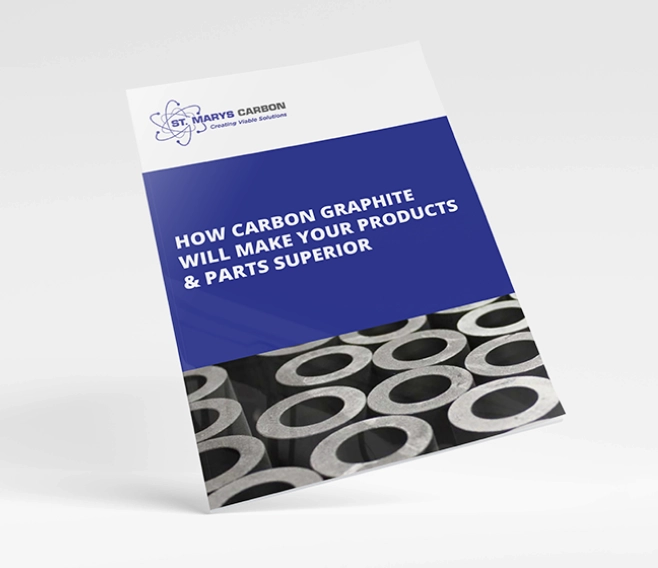
How carbon graphite will make your products & parts superior
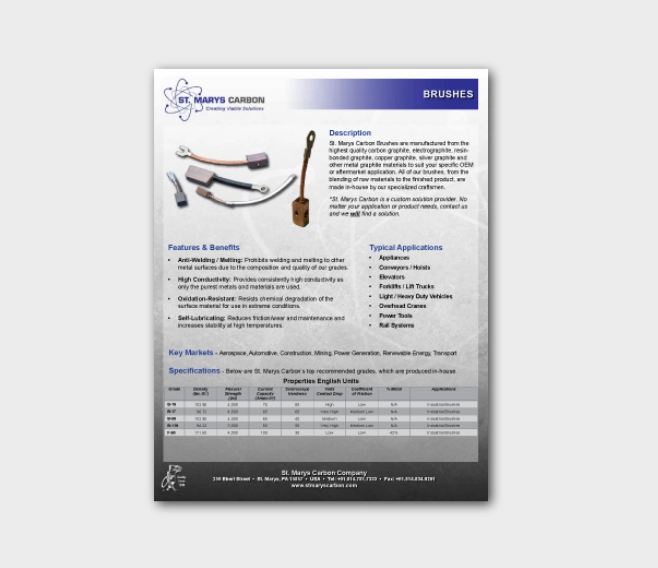
Mechanical Seals & Rings Data Sheet
Explore our latest resources
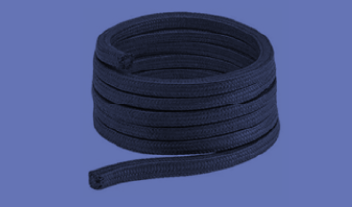
Carbon Graphite Mechanical Seal Types
Rotating equipment often requires a dynamic mechanical seal to create a seal between a rotating shaft and a stationary body and prevent the escape of process fluid(s) including liquid and/or gas. They can also be used in mixer seals to prevent fugitive ambient particulates from entering a contained vessel being being mixed such as a pharmaceutical reaction…
Why Bearings Fail and How to Prevent It
All bearings have a fixed life expectancy. Some are replaced because of normal wear or spalling, and others need replacing because of premature wear or failure. An unexpected failure can cause damage to equipment, downtime, costly replacement, and possibly even injury. And, even before they fail, the premature wear is likely to have effects on performance …
Carbon Graphite Conductivity & Expansion
When deciding on the materials for carbon graphite components or parts, it all starts with a thorough review of the application which includes the components’ form/function/fit and property identifying the “must haves” and the “nice to haves” and melding these with a design for manufacturability. There are three important physical characteristics …


